
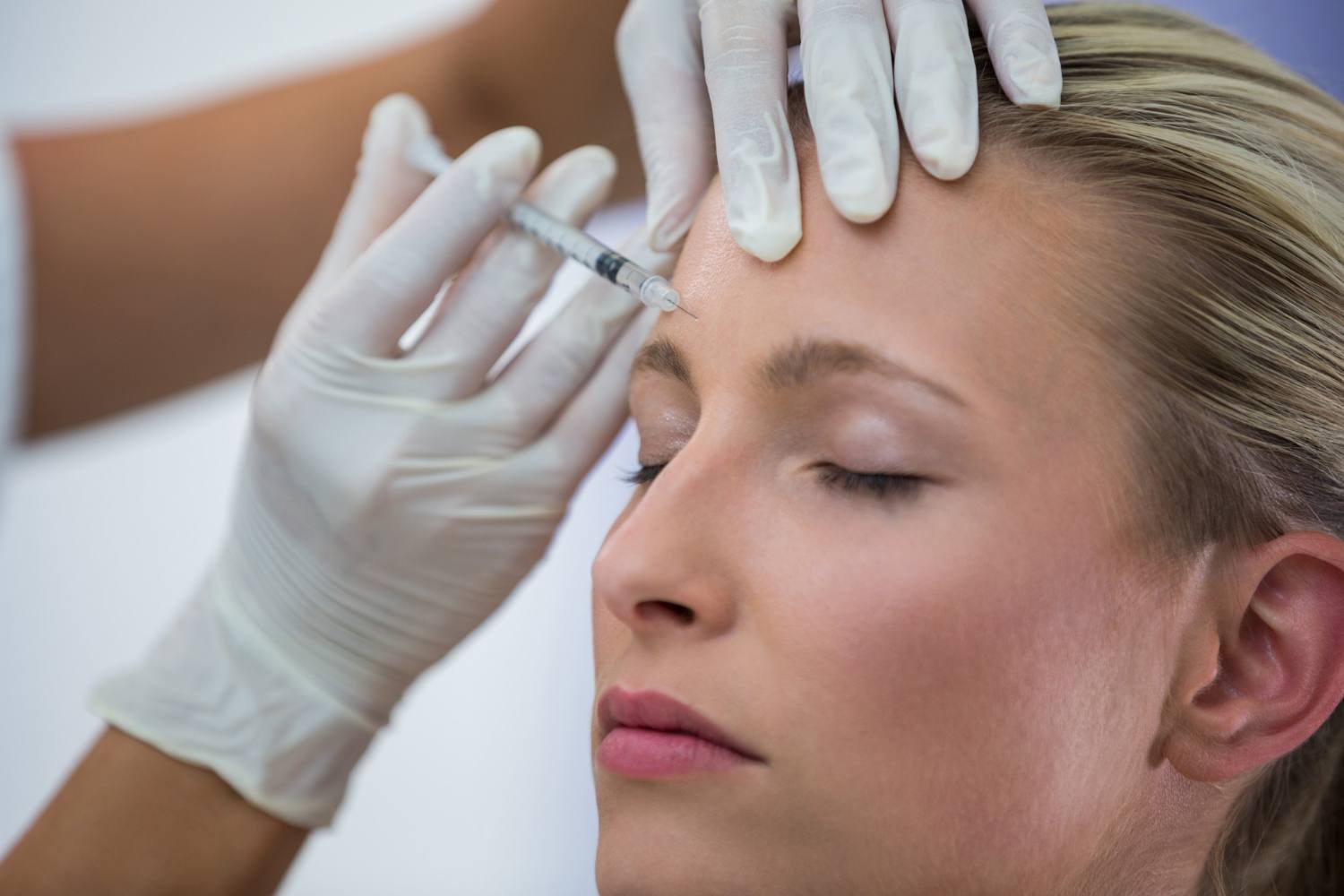
What is Botox used for besides wrinkles?
Botox is widely known for smoothing fine lines and wrinkles, but its uses extend far beyond cosmetic improvement. Today, botox treatment plays a meaningful role in both aesthetic medicine and clinical care, helping patients manage pain, muscle conditions, and quality-of-life concerns. Understanding the full range of botox benefits helps patients make informed decisions and see Botox as more than a wrinkle-reducing injectable.
This article explains how Botox works, where it is commonly used, and why it has become one of the most versatile treatments in modern medicine.
Quick Decision Summary
- Botox relaxes targeted muscles by limiting nerve signals.
- It is used in both medical and aesthetic settings.
- Treatment benefits extend beyond wrinkle reduction.
- Results are temporary but predictable when properly administered.
- Botox can be tailored to individual medical or cosmetic needs.
Botox Beyond Wrinkles: Medical & Aesthetic Benefits You Should Know
How Botox Works in the Body
Botox is a purified form of botulinum toxin type A. When injected into specific muscles, it blocks the release of acetylcholine, a neurotransmitter responsible for muscle contraction. By interrupting this signal, the treated muscle relaxes temporarily.
This mechanism explains why Botox is effective in both cosmetic and medical contexts. Whether reducing facial expressions that cause wrinkles or calming muscles that trigger pain, the underlying action remains the same. The difference lies in how and where the injections are placed.
Effects typically begin within a few days and reach their peak around two weeks after treatment. Results gradually wear off over three to four months as nerve signaling returns.
Aesthetic Botox Benefits Beyond Smoothing Wrinkles
Cosmetic Botox is most commonly associated with treating dynamic wrinkles such as forehead lines, frown lines, and crow’s feet. These wrinkles form from repeated muscle movement over time. By relaxing those muscles, Botox softens existing lines and helps prevent new ones from forming.
However, aesthetic Botox offers more than surface-level improvements. It can subtly reshape facial features by altering muscle balance. For example, Botox can be used to lift the brows, slim the jawline by relaxing the masseter muscles, or soften a gummy smile.
Many patients appreciate the natural-looking results when Botox is used conservatively. The goal is not to freeze the face, but to reduce excessive muscle activity while preserving expression.
Preventive Botox and Long-Term Skin Health
An often overlooked benefit of Botox treatment is its preventive effect. By limiting repetitive muscle movement early, Botox can slow the development of deeper wrinkles over time. This approach is sometimes referred to as preventive or maintenance Botox.
Preventive use does not mean aggressive treatment. It involves lower doses and targeted placement to maintain smoothness while allowing natural movement. For many patients, this strategy reduces the need for more intensive cosmetic procedures later in life.
Medical Botox Benefits You May Not Expect
Beyond aesthetics, Botox has a well-established history in medical care. It is FDA-approved for several therapeutic uses and is also used off-label when supported by clinical evidence and physician oversight.
Some of the most common medical conditions treated with Botox include:
- Chronic migraines, where injections around the head and neck can reduce headache frequency and intensity
- Muscle spasticity related to cerebral palsy
- Post-stroke muscle tightness that limits movement
- Multiple sclerosis–related muscle stiffness and discomfort
By relaxing overactive muscles and interrupting pain pathways, Botox can improve mobility, reduce discomfort, and support better daily function for many patients.
Botox for Pain and Muscle Disorders
Pain management is another important area where Botox treatment is used. Patients with temporomandibular joint disorders often benefit from Botox injections into the jaw muscles, which can relieve clenching and grinding.
Similarly, Botox can help with neck and shoulder tension caused by muscle overactivity. In these cases, Botox addresses the root cause rather than masking symptoms.
For individuals with hyperhidrosis, or excessive sweating, Botox can significantly reduce sweat production by blocking the nerves that activate sweat glands. This use has both medical and lifestyle benefits.
Functional Improvements and Quality of Life
The impact of Botox often goes beyond physical symptoms. For patients dealing with chronic pain, migraines, or excessive sweating, improvement can lead to better sleep, increased confidence, and improved daily functioning.
These quality-of-life improvements highlight why Botox is considered a therapeutic option rather than purely cosmetic. When used appropriately, it can support both physical comfort and emotional well-being.
Botox Treatment Safety and Considerations
Botox has a strong safety profile when administered by trained professionals. The most common side effects are mild and temporary, such as redness, swelling, or bruising at the injection site.
More serious complications are rare and typically related to improper dosing or placement. This is why provider experience and anatomical knowledge are critical.
Patients should always disclose medical history, medications, and prior treatments before receiving Botox. This ensures that the treatment plan is appropriate and personalized.
Dysport vs Botox: Understanding the Difference
Patients often ask about dysport vs botox when considering injectable treatments. While both products are neuromodulators and work in similar ways, they differ slightly in formulation and diffusion.
Dysport may spread more broadly in some areas, while Botox is often preferred for precise placement. The choice depends on treatment goals, muscle size, and provider preference. Both are effective when used correctly, and neither is inherently better for all patients.
Comparing Aesthetic and Medical Botox Uses
| Aspect | Aesthetic Botox | Medical Botox |
| Primary goal | Reduce wrinkles and enhance features | Treat medical conditions |
| Target muscles | Facial expression muscles | Overactive or painful muscles |
| Typical dosing | Lower and more localized | Often higher or more widespread |
| Treatment frequency | Every 3 to 4 months | Varies by condition |
| Outcome focus | Appearance and prevention | Function and symptom relief |
Longevity and Maintenance
Botox is not permanent, which allows flexibility in treatment plans. Results fade gradually, giving patients control over whether and how often they continue.
Regular maintenance can provide consistent benefits, while spacing treatments farther apart allows muscles to regain activity. This adaptability is part of what makes Botox suitable for a wide range of patients.
Who Is a Good Candidate for Botox
Most healthy adults can safely receive Botox, but candidacy depends on overall health, treatment goals, and medical history. A consultation with a qualified provider helps determine whether Botox is appropriate and how it should be used.
Good candidates for Botox typically include individuals who:
- Are in generally good health
- Want to reduce dynamic wrinkles caused by facial muscle movement
- Experience medical conditions such as migraines, jaw clenching, or muscle tension
- Have realistic expectations about results and maintenance
- Are not pregnant or breastfeeding
- Do not have neuromuscular disorders that may be affected by treatment
Open communication during consultation ensures Botox is used responsibly, safely, and in alignment with individual needs.
Botox in a Comprehensive Treatment Plan
Botox often works best as part of a broader aesthetic or medical plan. It can be combined with skincare, dermal fillers, or lifestyle changes to enhance results.
In medical settings, Botox may complement physical therapy, medication, or other interventions. This integrated approach maximizes outcomes and supports long-term improvement.
Thoughtful Care and Expertise Matter
Because Botox affects muscle function, precision is essential. Clinics that emphasize education, safety, and individualized treatment help ensure positive outcomes.
Practices such as Lecada Tampa focus on delivering Botox treatment with a balanced approach, addressing both aesthetic goals and overall patient well-being. This perspective reflects how Botox has evolved from a cosmetic solution into a multifaceted medical tool.
FAQs
Can Botox help with anxiety-related jaw clenching?
Yes, Botox can relax overactive jaw muscles, which may reduce clenching linked to stress or anxiety.
Is Botox only effective for severe wrinkles?
No, Botox is commonly used for mild lines and preventive care as well.
How soon can I exercise after Botox treatment?
Light activity is usually fine after 24 hours, but patients should follow provider-specific guidance.
Does Botox affect sensation in the skin?
Botox targets muscle movement, not sensation, so normal skin feeling remains intact.
Can Botox be stopped without long-term effects?
Yes, discontinuing Botox allows muscle activity to return gradually without permanent changes.